Buying a property is one thing; caring for it is another. Many future homeowners budget for mortgage payments, municipal taxes, insurance, and heating. However, they frequently underestimate upkeep and repair costs.
Yet a home is an investment that requires regular attention to preserve its value.
So, how much should you actually allocate each year to home maintenance?
Is the 1% Rule Realistic?
You may have already heard of the 1% rule: set aside a sum equivalent to one percent of the property’s value each year for its ongoing maintenance.
For instance, this would amount to around $6,000 a year for a house valued at $600,000. This isn’t a rigid rule; rather, it’s meant to serve as a point of comparison. Additionally, the significant rise in inflation over the past few years has made this principle increasingly irrelevant.
What you must actually account for:
- A newly built house will generally require fewer repairs than a property constructed 50 years ago.
- A residence that has been well maintained over the years will often cost less than a one in which owners have put off a long list of repairs.
There’s No Avoiding Major Repairs
Certain of a home’s components have a limited lifespan.
Over the years, it may be necessary to replace or repair:
- the roof
- the windows
- the exterior cladding
- the water heater
- the heat pump
- the driveway’s paving
- the deck or balconies
Such work can cost anywhere from a few thousand to tens of thousands of dollars.
Before purchasing a property, carefully examine the Declarations by the Seller, which provides details about when the relevant components were replaced or renovated (if applicable). The information will help you estimate the expenses you can expect to incur over the next 5 to 15 years.
Annual Expenses to Bear in Mind
Even if you don’t need to do any major repairs, you should expect certain small annual expenses.
Here are a few examples (note that this isn’t an exhaustive list):
- Cleaning or repairing the gutters.
- Servicing, cleaning, or repairing the heating and cooling systems.
- Applying caulking around the doors and windows.
- Inspecting the roof after periods of harsh weather and replacing shingles where necessary.
- Painting outdoor wooden structures (deck, etc.).
- Repairing the fence or the outside stairs.
- Pruning trees and maintaining the landscaping.
- Maintaining the swimming pool and its system.
- Purchasing tools or equipment, such as a lawnmower (when broken).
- Replacing the central vacuum system’s parts.
- Replacing damaged flooring.
- Replacing faulty door handles.
- Replacing a leaky faucet.
- Replacing broken light fixtures or burnt bulbs.
- Buying spackling to patch holes in walls.
Some will cost little to nothing, especially if you do them yourself. However, taken together, these small expenses can end up putting a significant strain on a tight budget.
Québec’s Climate Leads to Higher Costs
Our homes have to cope with significant temperature fluctuations, freezing and thawing, snow, ice, wind and, at times, heavy rain.
These conditions contribute to the accelerated deterioration of many parts of a property.
The foundation, roof, exterior cladding, gutters, and asphalt driveways are particularly vulnerable to our harsh climate. Consequently, preventative maintenance often proves far less expensive than a major repair.
Our Advice: Address Minor Repairs Immediately
Help yourself keep potential costs down: don’t procrastinate when you spot an issue.
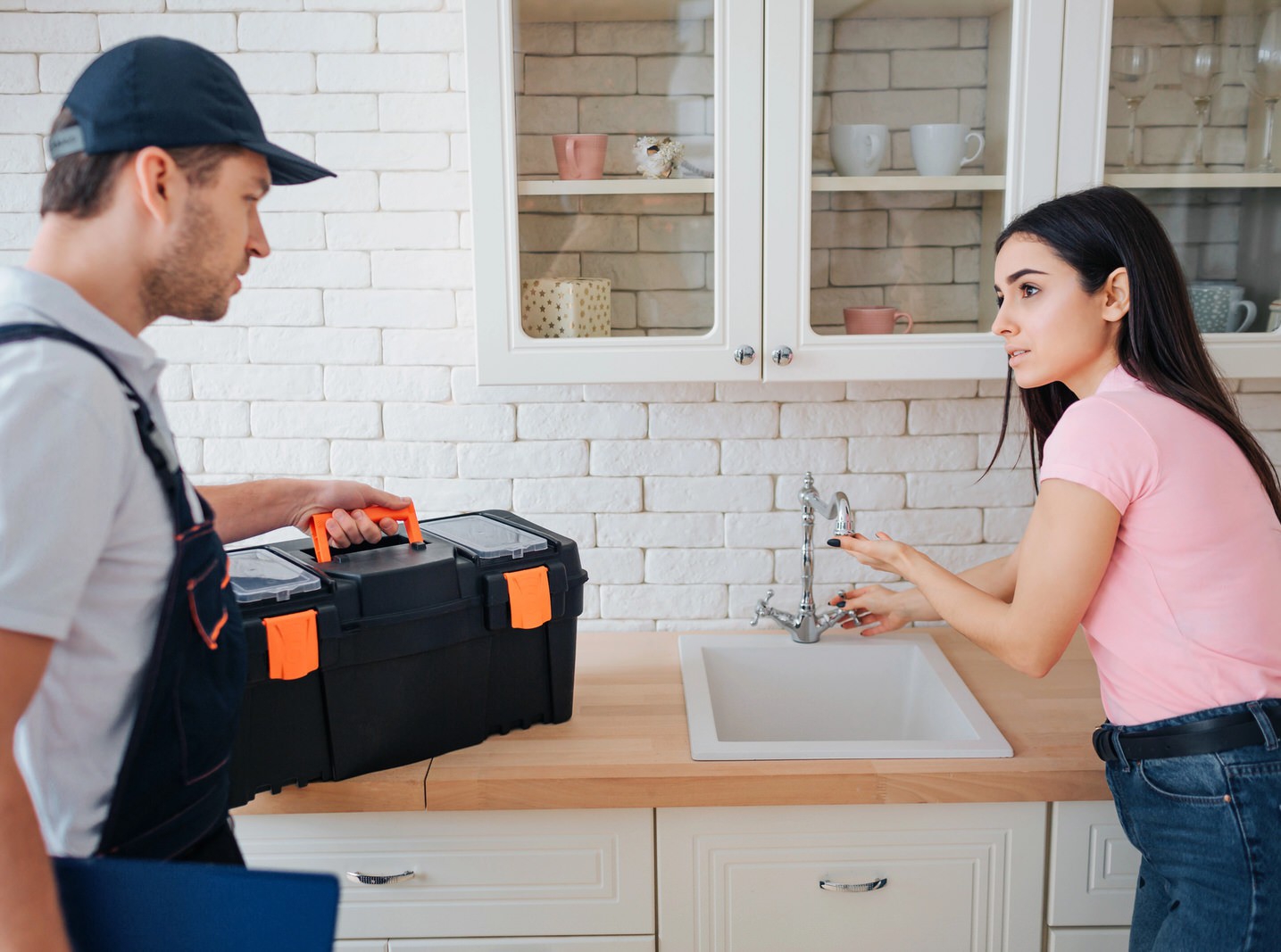
For example, a leaking faucet or silicone caulking that has started peeling may seem trivial.
And yet, these minor irritants can quickly escalate into more serious problems if ignored. Especially when it comes to water! Even the slightest leak can lead to pricey damage to walls, floors, or insulation.
The Verdict
So, how much does it actually cost to maintain a house? Unfortunately, the numbers vary depending on the property, so it’s almost impossible to say.
Nevertheless, setting up a separate upkeep fund alongside your emergency fund is recommended.
You can, for example, regularly save a fixed amount each month. A sum of $200 or $300 a month can make a big difference when the time comes to replace a water heater, reshingle part of the roof, or carry out an emergency repair.
It’s also a good idea to keep a maintenance log. By noting down the work completed, its approximate cost, and the date on which key equipment was replaced, you’ll find it much easier to plan for future expenses.
An Investment That Protects Your Property’s Value
It’s a fact that maintaining a house costs money, but it’s also an investment.
A well-maintained property generally retains its value better, inspires greater confidence in buyers, and may sell more easily when the time comes for you to move.